
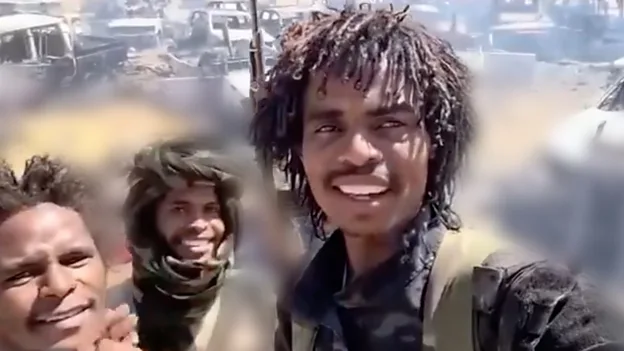
Graphic videos filmed by fighters, forensic satellite analysis and eyewitness testimony have converged to implicate elements of Sudan’s Rapid Support Forces (RSF) in widespread executions, mass burials and other atrocities in El Fasher after the city fell in late October — developments that have prompted a formal probe by the International Criminal Court.
The most immediate allegations are stark: multiple videos circulating on social platforms show RSF-identified fighters driving through streets strewn with bodies, laughing and boasting; other clips — verified by open-source investigators — depict summary executions, the detention and apparent torture of men accused of smuggling aid, and groups of civilian victims found in and around key sites in the city. Independent geolocation work and investigations have matched several of those clips to locations around El Fasher.
Converging forensic evidence: satellite imagery and lab analyses Researchers at Yale’s Humanitarian Research Lab and analysts working with commercial satellite providers say recent imagery shows large-scale digging and areas consistent with mass burials near hospitals and other sites controlled by the RSF since the takeover — findings that corroborate witness accounts and on-the-ground footage. Independent news agencies and humanitarians have reported fresh satellite signals of disturbed soil and newly dug trenches at multiple locations around the city.
ICC, U.N. and other international reactions The ICC’s Office of the Prosecutor has publicly stated it is “profoundly alarmed” by the reports emerging from El Fasher and said investigators are actively gathering evidence of alleged mass killings, rapes and other crimes that, if verified, could amount to war crimes or crimes against humanity. U.N. agencies, humanitarian groups and rights organisations have joined calls for urgent independent investigation and for humanitarian access to affected populations.
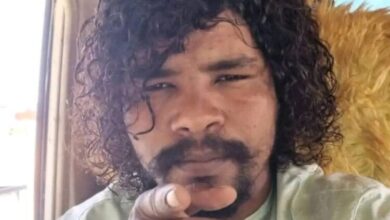
Alleged field-commanders, RSF response and questions over accountability Among the most widely circulated clips are ones attributed to a field commander known online as “Abu Lulu,” who appears on camera executing captives and boasting about killings. RSF authorities later announced arrests of fighters filmed in some of the footage; critics and rights groups, however, say such moves — and publicised detentions — risk being perceived as damage-control unless accompanied by a transparent, independent inquiry and full cooperation with international investigators.
Humanitarian impact on civilians Local medical sources and aid agencies report thousands displaced, dire shortages of food, water and medical supplies, and mounting deaths from wounds, exposure and lack of care among those who fled the city. Satellite-based assessments and field reporting both indicate large-scale displacement and grave threats to nearby camps and towns receiving survivors.
What independent analysts say Open-source investigators and human rights analysts stress that the footage and imagery — while compelling — require methodical forensic work: verification of time, place, chain of custody, and victim identification before legal findings can be reached. Still, many analysts caution that the pattern of evidence — videos of executions, satellite signs of mass burials, and consistent eyewitness testimony — forms a prima facie case warranting immediate international investigation and protection measures for civilians.
What to watch next Key developments to monitor include the ICC’s evidence-gathering milestones and any independent forensic reports; formal U.N. or multilateral fact-finding missions; credible lists of victims and locations published by neutral investigators; and whether the RSF and Sudanese authorities grant unimpeded access to humanitarian and investigative teams.


This is a topic close to my heart cheers, where are your contact details though?