Over 2,000 Civilians Killed in El Fasher Massacre: Joint Forces Accuse RSF and UAE of War Crimes

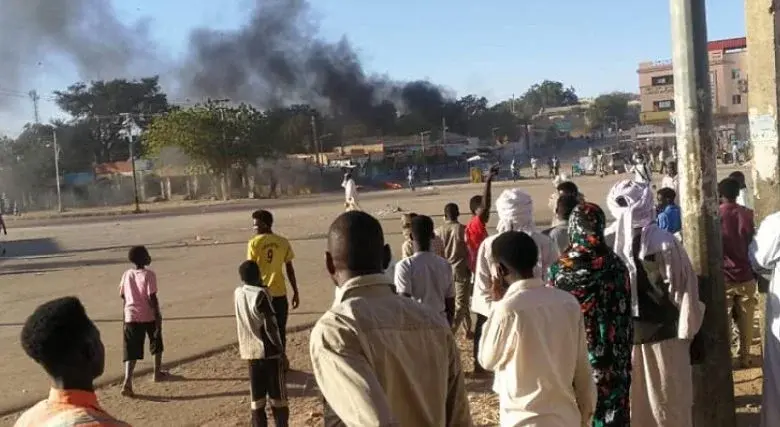
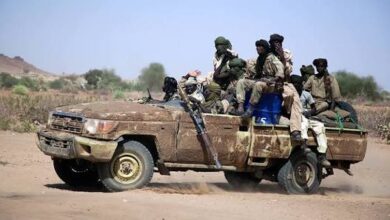
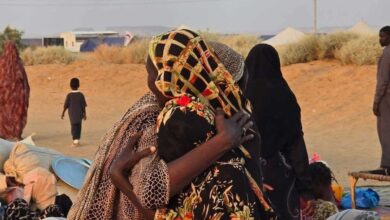
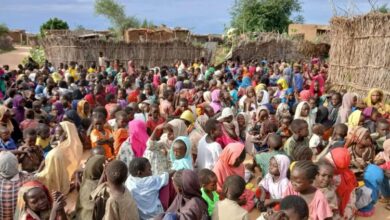
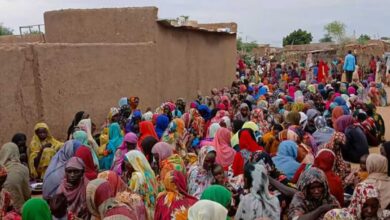
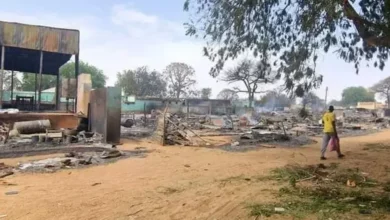
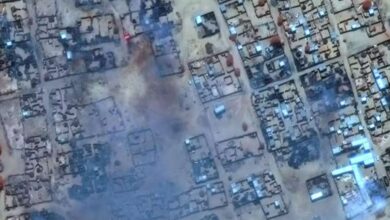
Trusted field sources have confirmed that the city of El Fasher in North Darfur witnessed one of the deadliest massacres since the war began, after the Rapid Support Forces (RSF) allegedly executed more than 2,000 unarmed civilians — mostly women and children — in what military groups described as “a full-scale genocide.”
In a statement issued on Tuesday, October 28, 2025, the Joint Forces of the Armed Struggle Movements condemned the events of Sunday and Monday (October 26–27) as “a stain on the conscience of humanity,” stressing that the atrocities took place “before the eyes of the international community” with no serious intervention to stop the bloodshed.
According to information obtained by Al-Rai Al-Sudani, the joint forces held the so-called “Tasis Alliance” and several foreign backers — primarily the United Arab Emirates — fully responsible, both morally and legally, for what they called systematic war crimes and crimes against humanity in El Fasher.
The statement affirmed the joint forces’ continued alliance with the Sudanese Armed Forces (SAF) in defense of the Sudanese people and national unity, pledging adherence to international humanitarian law and vowing to bring all perpetrators to justice “no matter how long it takes.”
The joint forces also urged the United Nations and the UN Security Council to designate the RSF as a terrorist organization, calling for an immediate international response to halt what it described as organized crimes against civilians in Darfur.
The statement concluded with a message of reassurance to victims’ families, promising that their rights would not be forgotten and that justice will eventually reach those who carried out or financed the massacres.
The El Fasher massacre has reignited national and international calls for an independent investigation into the atrocities committed in Darfur, as human rights groups warn that impunity risks further escalation and regional destabilization.